Market Insight · October 12, 2026
2027 Housing Market Predictions: What Buyers and Sellers Should Watch
Mortgage rates are hovering near 7.4%, inventory is rising, and every major forecaster is publishing a 2027 outlook. Here is what the predictions actually say, and what they mean for metro Atlanta buyers and sellers.

Lisa Harris, MBA, CLHMS
REMAX Center, GA #320847
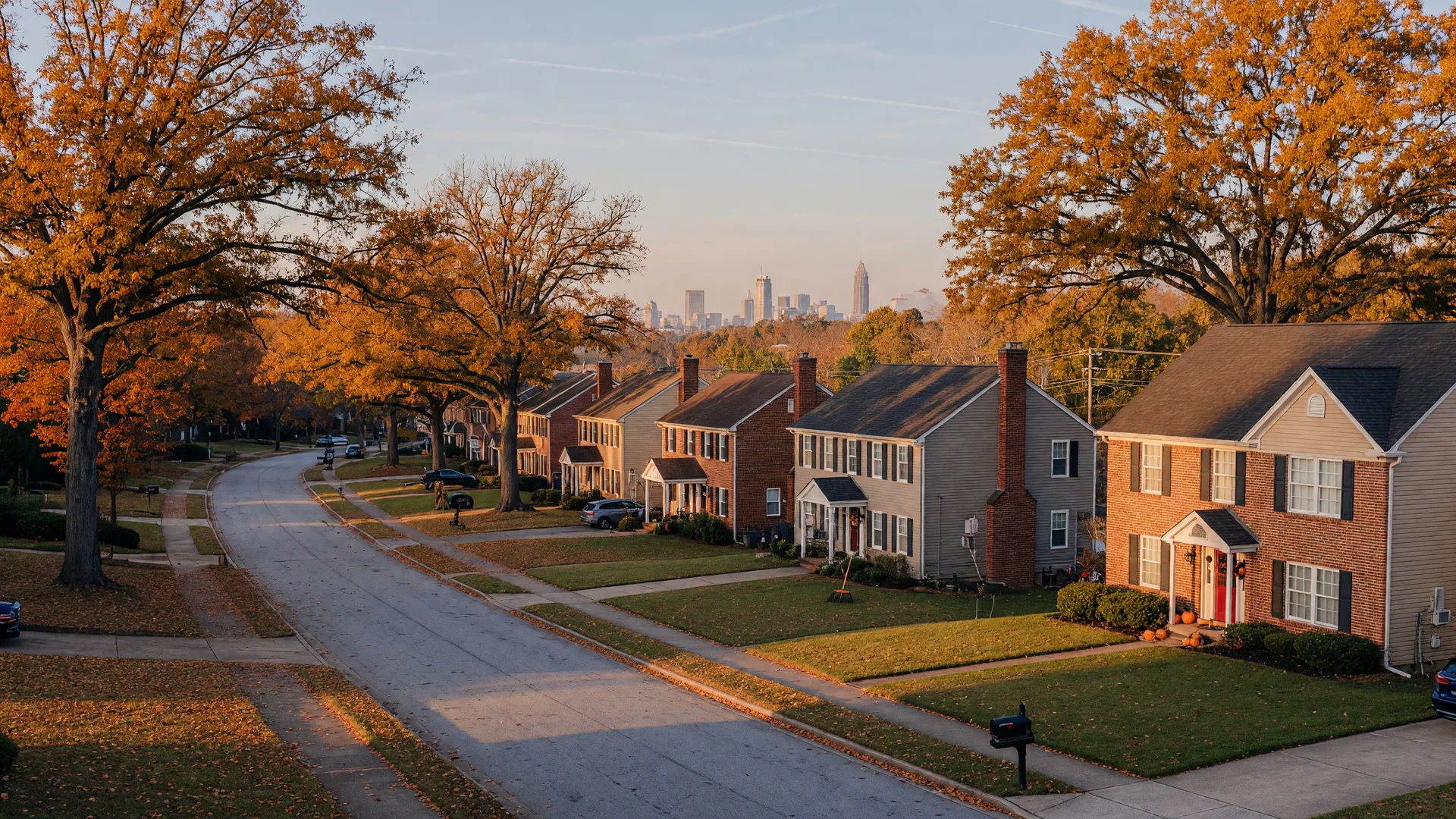
“What will the housing market do in 2027?” is one of the most searched real estate questions in America right now, and for good reason. The 30-year fixed mortgage rate averaged 7.40% in the week ending October 8, 2026, near a three-year high, while inventory keeps climbing and homes sit longer before selling. Every major forecaster has now published a 2027 outlook, and the consensus is clearer than it has been in years: slower price growth, more balance, and a market that rewards preparation over guesswork.
As a luxury real estate specialist serving Dacula, Apalachee Farms, and Northeast Metro Atlanta, I follow these forecasts closely because they shape how my buyers and sellers should move. The headline numbers matter, but the local picture matters more. Here is what the 2027 housing market predictions say, where mortgage rates are likely headed, and what it all means for anyone buying or selling in metro Atlanta.
WHAT THE 2027 FORECASTS ACTUALLY SAY
The most widely cited projection comes from Fannie Mae, which expects total home sales of 5.09 million in 2027, up about 6.8% from 2026. Fannie Mae calls the coming year the most balanced market since before the pandemic: more homes for sale, buyers with more choices, and price growth slowing to a sustainable pace. That is a meaningful shift from the bidding-war years, and it changes the strategy for everyone involved.
The price forecasts cluster in a narrow range. J.P. Morgan Global Research expects home prices to stay essentially flat in 2026 and then rise about 3% in 2027. HouseCanary projects national appreciation of about 2.1% in 2026, easing to 1.7% in 2027 and 1.5% in 2028. The National Association of Realtors has projected sales climbing roughly 14% in 2026 with price growth of 2% to 3%. None of these numbers describe a crash. They describe a market settling into normal, single-digit movement after years of double-digit swings.
The through-line across every forecast is balance. Sellers will not see the automatic double-digit appreciation of 2021 and 2022, and buyers will not see a fire sale. The market is recalibrating to something closer to historical norms, and the winners will be the people who understand the new rules.
“Every forecast for 2027 points the same direction: a balanced market where pricing, preparation, and marketing decide the outcome. That is exactly the kind of market where the right strategy makes the difference between a sale and a stale listing.”
WHERE MORTGAGE RATES ARE HEADING
Rates are the variable everyone watches, and October 2026 has been uncomfortable. Freddie Mac's Primary Mortgage Market Survey put the average 30-year fixed rate at 7.40% for the week ending October 8, up from 7.28% the prior week and 6.30% a year earlier. Bankrate's survey pushed even higher, above 7.5%, which it called a three-year high. LendingTree's forecast for the rest of October expects rates to hold steady or rise slightly, hovering around 7%.
The 2027 outlooks assume easing, but gradual easing. Fannie Mae's forecast is built on rates stabilizing around 6.3%, and Capital Economics expects the 30-year to stay above 6% into 2028. In other words, the realistic path is a slow grind lower over the next year or two, not a sudden return to 4% or 5% mortgages. Buyers who wait for a dramatic rate drop may wait a long time, and they may pay more in price appreciation while they wait.
What does that mean in practice? The difference between a 7.4% rate today and a 6.3% rate next year is real money, roughly $100 per month for every $200,000 borrowed. But the difference between buying now in a balanced market and buying later in a more competitive one is also real. The most successful buyers in 2026 and 2027 are treating rates as a planning input, not a reason to freeze.
WHAT THE PREDICTIONS MEAN FOR METRO ATLANTA
National forecasts are useful context, but metro Atlanta has its own story. Redfin data through August 2026 showed the Atlanta median sale price at $427,000, up 9.1% year over year, with homes selling in about 57 days. Homes.com pegged the median closer to $395,000 as prices cooled through the fall. Either way, the trajectory is the same: prices have come off their peak, inventory is elevated, and buyers have gained leverage in a way they have not had since before the pandemic.
The RealWealth Georgia forecast for 2026 and 2027 expects home values to grow modestly, in the range of 1.2% to 6% across the state's larger cities, with the Atlanta metro transitioning from a seller's market to a balanced one. For Northeast Metro Atlanta, that means homes in communities like Apalachee Farms, Braselton, Hoschton, and Dacula are still holding value, but they need to be priced and presented correctly to sell in a normal timeframe.
This is the market I work in every day, and the shift is visible in the data. Days on market are stretching, seller concessions are common, and buyers are touring more homes before making an offer. That is not a bad market. It is a normal market, and normal markets reward people who come prepared.
WHAT BUYERS SHOULD DO BEFORE 2027
If you are planning to buy in 2027, the window to get ready is now. Start with pre-approval so you know exactly what you can afford at today's rates, and ask your lender to model what a 0.5% rate change does to your payment. That single conversation removes most of the guesswork from your search.
Then use the balance to your advantage. With more inventory and longer days on market, you have room to negotiate on price, seller concessions, closing costs, and rate buydowns. In a balanced market, the buyer who is pre-approved, decisive, and represented by an agent who knows the local comps consistently wins the best terms. Waiting for rates to hit a magic number is a strategy, but it is a risky one. The forecasts say rates ease gradually, not dramatically, and prices are projected to keep rising modestly in 2027.
WHAT SELLERS SHOULD DO BEFORE 2027
For sellers, the 2027 predictions carry a clear message: price to the market, not to what you paid in 2021. The homes selling fastest in Northeast Metro Atlanta right now are priced against current sold comps, prepared properly, and marketed aggressively. The homes sitting on the market are the ones priced at peak-market levels with dated photos and a passive listing strategy.
The good news is that a balanced market still rewards a well-executed listing. Buyers are out there, and they are serious. They are just more selective. That is why staging, professional photography, cinematic video, and a real marketing campaign matter more now than they did in a market where any listing sold itself. In a balanced market, the listing that looks and feels like a value wins, and that is a game I know how to play.
THE BOTTOM LINE
The 2027 housing market predictions describe a market that is cooling, not crashing. Prices are projected to rise modestly, rates are expected to ease gradually, and inventory should keep giving buyers choices. For buyers, that is an opportunity to buy with leverage before the market tightens again. For sellers, it is a reminder that preparation and pricing decide the outcome.
I have sold homes in every kind of market, including the recent sale at 909 Pathview Ct in Apalachee Farms, and the strategy is the same in each one: understand the data, price precisely, prepare the home, and market it to the right buyers. If you are thinking about buying or selling in 2027, do not wait for the calendar to turn. Start the conversation now, and let us build a plan around the market we are actually in.
Thinking about buying or selling in 2027? Let's talk about your timeline, your goals, and what today's market means for your plan.
Lisa Harris, REALTOR®
MBA, CLHMS, Certified Luxury Home Marketing Specialist
Lisa Harris Realty | REMAX Center
Related Reads
Frequently Asked Questions
What are the 2027 housing market predictions?
Most forecasters expect slower home price growth and a more balanced market in 2027. Fannie Mae projects total home sales of 5.09 million in 2027, up about 6.8% from 2026, and calls it the most balanced market since before the pandemic. J.P. Morgan expects prices to rise about 3% in 2027 after a flat 2026, while HouseCanary forecasts national appreciation near 1.7%.
Will mortgage rates drop in 2027?
Forecasts point to gradual easing rather than a sharp drop. Fannie Mae's 2027 forecast assumes rates stabilize around 6.3%, but the 30-year fixed averaged 7.40% in the week ending October 8, 2026, and Capital Economics expects rates to stay above 6% into 2028. Planning around a slow grind lower, not a sudden crash, is the realistic approach.
Will home prices fall in 2027?
National forecasts call for modest appreciation, not declines: J.P. Morgan expects prices up about 3% in 2027 and HouseCanary forecasts about 1.7%. In metro Atlanta, prices have already cooled from their peak and more inventory has shifted leverage toward buyers, so the market is normalizing rather than crashing.
Is 2027 a good time to buy or sell in metro Atlanta?
For most people, yes, with the right strategy. Buyers get more inventory, more negotiating room, and seller concessions in a balanced market. Sellers who price to current sold comps, prepare the home properly, and market it well can still achieve strong results, especially in desirable communities like Apalachee Farms in Dacula.
Information believed to be accurate but not guaranteed. Forecasts cited from Fannie Mae, J.P. Morgan Global Research, HouseCanary, the National Association of Realtors, Freddie Mac, Bankrate, LendingTree, and Capital Economics, as reported in October 2026. Market conditions change quickly; verify current rates and local data before making decisions.